

How does the design of the stair climber ensure unparalleled safety for users?
Release Time : 2026-04-23
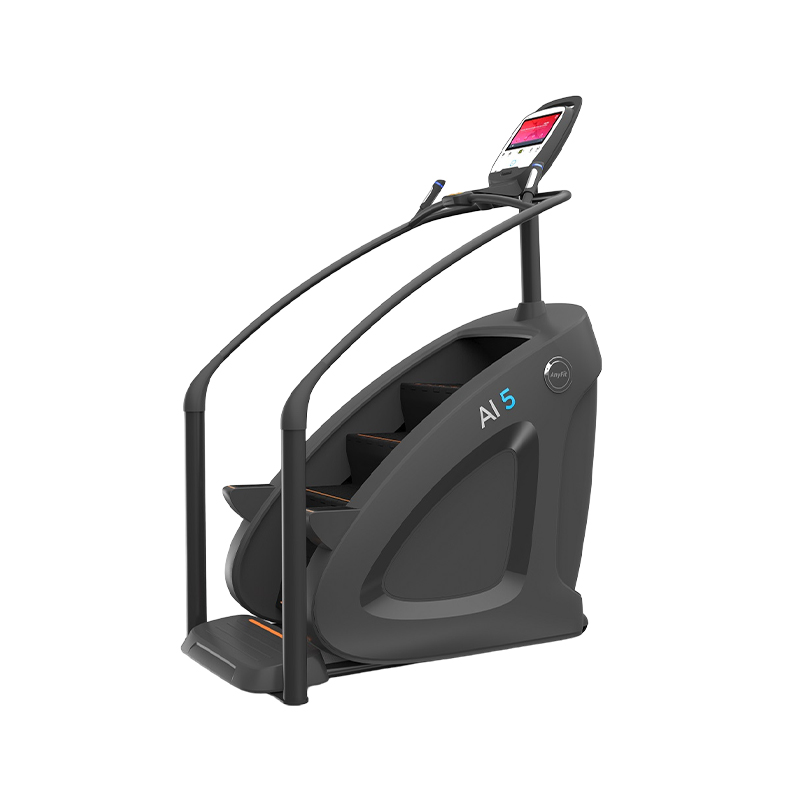
The design of modern stair climbers, particularly advanced models like the AI5 StairTrainer, represents a significant engineering achievement focused on user safety. In the high-intensity environment of a gym, where fatigue and speed can compromise form, the equipment itself must act as a failsafe. The unparalleled safety of these machines is not the result of a single feature, but rather the integration of intuitive stopping mechanisms, structural stability, and ergonomic considerations. By prioritizing the physical well-being of the user through sophisticated design, manufacturers ensure that the stair climber remains a trusted piece of equipment for both novice exercisers and professional athletes.
At the forefront of this safety profile is the intuitive emergency stop mechanism. Unlike traditional cardio equipment that may require a user to locate and press a specific button during a moment of instability, the AI5 StairTrainer features a design that allows the machine to be stopped simply by placing both feet on the pedals. This passive braking system is critical during high-intensity interval training (HIIT), where a user might lose their rhythm or experience sudden muscle failure. The immediate cessation of movement upon double-foot contact prevents the user from falling or being dragged by the momentum of the steps, significantly reducing the risk of impact injuries.
Structural integrity plays a vital role in ensuring safety during vigorous workouts. The stair climber is engineered with a robust frame designed to eliminate wobble or sway, even when users are moving at high speeds or carrying heavy loads. This rigidity provides a stable platform that inspires confidence, allowing the user to focus entirely on their movement rather than worrying about the machine tipping or shifting. The heavy-duty construction acts as a solid anchor, absorbing the kinetic energy generated by the workout and ensuring that the machine remains stationary regardless of the intensity applied by the user.
The design of the step treads themselves is another crucial element of the safety architecture. Large, spacious treads are engineered to accommodate various foot sizes and ensure that the user has a secure footing at all times. By maximizing the surface area of the pedal, the design minimizes the risk of the foot slipping off the edge, a common hazard in cardio equipment with smaller steps. Furthermore, the surface of the treads typically features a non-slip texture or coating that provides high friction, ensuring grip even when the user is sweating profusely. This attention to detail in the contact points between the user and the machine is fundamental to preventing slips and falls.
Ergonomics also contribute significantly to the safety and comfort of the workout. The machine features multiple speed options that allow users to progress at a pace suitable for their fitness level. This gradation prevents users from being forced into a speed that exceeds their capability, which is a common cause of injury. Additionally, the smooth movement of the steps ensures a fluid transition between strides, reducing the jarring impact on joints that can occur with jerky or mechanical motion. This smooth operation allows for a natural gait, protecting the knees, ankles, and hips from strain while maintaining the intensity of the cardiovascular workout.
Accessibility and ease of use are further enhanced by the machine's sophisticated control interface. The design ensures that controls are within easy reach and clearly visible, allowing users to adjust settings without breaking their balance or looking away from their path. In the event of a power failure or electronic malfunction, the mechanical design often includes fail-safes that prevent the steps from free-falling, ensuring a controlled deceleration. This reliability in the electronic and mechanical interface ensures that the user is never left in a vulnerable position due to a technical glitch.
Maintenance and durability are indirectly linked to safety, as a well-maintained machine is a safe machine. The sophisticated design features of the AI5 StairTrainer make maintenance easier and faster, ensuring that any potential wear and tear can be addressed promptly. Components are designed to be accessible, allowing gym technicians to inspect and service the equipment without extensive disassembly. This ease of maintenance ensures that the machine operates at peak performance continuously, preventing safety hazards that arise from neglected or poorly functioning equipment. The durability of the materials used means that the safety features do not degrade over time, even with heavy, daily use in commercial facilities.
The psychological aspect of safety is also addressed through the machine's design. The knowledge that the equipment is stable, reliable, and easy to stop provides a sense of security that encourages users to push their limits safely. This psychological comfort is essential for effective training, as fear of injury can inhibit performance. By creating an environment where the equipment is perceived as a partner in the workout rather than a hazard, the design fosters a more positive and productive exercise experience.
In conclusion, the unparalleled safety of the stair climber is the result of a holistic design approach that encompasses mechanical braking systems, structural stability, ergonomic treads, and user-centric controls. Every component, from the large step treads to the intuitive stop mechanism, is engineered to protect the user from harm. This commitment to safety ensures that the stair climber remains a centerpiece of fitness facilities, providing a challenging yet secure environment for users to achieve their health and fitness goals. The continued innovation in this field promises to further enhance these safety standards, making high-intensity training accessible to an even wider audience.
At the forefront of this safety profile is the intuitive emergency stop mechanism. Unlike traditional cardio equipment that may require a user to locate and press a specific button during a moment of instability, the AI5 StairTrainer features a design that allows the machine to be stopped simply by placing both feet on the pedals. This passive braking system is critical during high-intensity interval training (HIIT), where a user might lose their rhythm or experience sudden muscle failure. The immediate cessation of movement upon double-foot contact prevents the user from falling or being dragged by the momentum of the steps, significantly reducing the risk of impact injuries.
Structural integrity plays a vital role in ensuring safety during vigorous workouts. The stair climber is engineered with a robust frame designed to eliminate wobble or sway, even when users are moving at high speeds or carrying heavy loads. This rigidity provides a stable platform that inspires confidence, allowing the user to focus entirely on their movement rather than worrying about the machine tipping or shifting. The heavy-duty construction acts as a solid anchor, absorbing the kinetic energy generated by the workout and ensuring that the machine remains stationary regardless of the intensity applied by the user.
The design of the step treads themselves is another crucial element of the safety architecture. Large, spacious treads are engineered to accommodate various foot sizes and ensure that the user has a secure footing at all times. By maximizing the surface area of the pedal, the design minimizes the risk of the foot slipping off the edge, a common hazard in cardio equipment with smaller steps. Furthermore, the surface of the treads typically features a non-slip texture or coating that provides high friction, ensuring grip even when the user is sweating profusely. This attention to detail in the contact points between the user and the machine is fundamental to preventing slips and falls.
Ergonomics also contribute significantly to the safety and comfort of the workout. The machine features multiple speed options that allow users to progress at a pace suitable for their fitness level. This gradation prevents users from being forced into a speed that exceeds their capability, which is a common cause of injury. Additionally, the smooth movement of the steps ensures a fluid transition between strides, reducing the jarring impact on joints that can occur with jerky or mechanical motion. This smooth operation allows for a natural gait, protecting the knees, ankles, and hips from strain while maintaining the intensity of the cardiovascular workout.
Accessibility and ease of use are further enhanced by the machine's sophisticated control interface. The design ensures that controls are within easy reach and clearly visible, allowing users to adjust settings without breaking their balance or looking away from their path. In the event of a power failure or electronic malfunction, the mechanical design often includes fail-safes that prevent the steps from free-falling, ensuring a controlled deceleration. This reliability in the electronic and mechanical interface ensures that the user is never left in a vulnerable position due to a technical glitch.
Maintenance and durability are indirectly linked to safety, as a well-maintained machine is a safe machine. The sophisticated design features of the AI5 StairTrainer make maintenance easier and faster, ensuring that any potential wear and tear can be addressed promptly. Components are designed to be accessible, allowing gym technicians to inspect and service the equipment without extensive disassembly. This ease of maintenance ensures that the machine operates at peak performance continuously, preventing safety hazards that arise from neglected or poorly functioning equipment. The durability of the materials used means that the safety features do not degrade over time, even with heavy, daily use in commercial facilities.
The psychological aspect of safety is also addressed through the machine's design. The knowledge that the equipment is stable, reliable, and easy to stop provides a sense of security that encourages users to push their limits safely. This psychological comfort is essential for effective training, as fear of injury can inhibit performance. By creating an environment where the equipment is perceived as a partner in the workout rather than a hazard, the design fosters a more positive and productive exercise experience.
In conclusion, the unparalleled safety of the stair climber is the result of a holistic design approach that encompasses mechanical braking systems, structural stability, ergonomic treads, and user-centric controls. Every component, from the large step treads to the intuitive stop mechanism, is engineered to protect the user from harm. This commitment to safety ensures that the stair climber remains a centerpiece of fitness facilities, providing a challenging yet secure environment for users to achieve their health and fitness goals. The continued innovation in this field promises to further enhance these safety standards, making high-intensity training accessible to an even wider audience.