

How does the Upright Bike simulate real road cycling, enhancing the fun and effectiveness of your workout?
Release Time : 2026-04-30
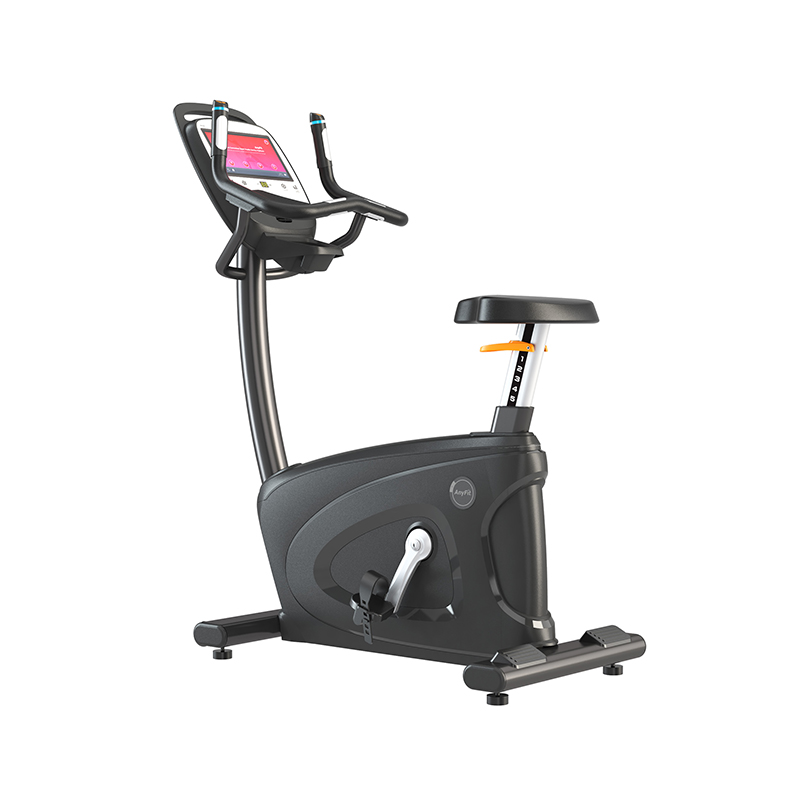
Among indoor fitness equipment, the Upright Bike is widely popular due to its close resemblance to a realistic cycling posture. Compared to other cardio equipment, it uses various technologies and structural designs to simulate the outdoor road cycling experience, thereby enhancing both workout effectiveness and enjoyment.
1. Realistic Cycling Posture
The Upright Bike uses a cycling structure similar to a regular bicycle, including seat height, handlebar position, and pedal layout. This design allows users to maintain a natural posture while riding, simulating the body angles and power exertion during road cycling. This realistic posture not only improves comfort but also helps to more effectively train the leg and gluteal muscles.
2. Adjustable Resistance Simulates Different Road Conditions
Through an adjustable resistance system, the exercise bike can simulate various cycling environments, including flat roads, uphill climbs, and even headwinds. When the resistance increases, the user needs to exert more force, similar to climbing a hill; when the resistance decreases, it approximates a flat road cruising state. This diverse cycling experience makes training more varied and avoids the monotony of a single exercise.
3. Enhanced Inertial Feedback Through the Flywheel System
A high-quality flywheel design provides smooth rotational inertia, making pedaling smoother. Inertial feedback, close to real riding, reduces jerking and allows users to achieve a more natural pedaling rhythm. This continuity not only improves the experience but also helps establish a stable exercise rhythm, increasing training efficiency.
4. Enhanced Interactivity Through Intelligent Data Feedback
Modern Upright bikes are typically equipped with a display system that records data such as speed, time, distance, and calorie expenditure in real time. This feedback allows users to intuitively understand their exercise status and adjust training intensity accordingly. This interactive mechanism enhances engagement, making the workout more goal-oriented and rewarding.
5. Enhanced Immersive Experience Through Scene Simulation
Some devices also support virtual riding or multimedia connectivity, displaying different riding scenarios on the screen, such as city roads or mountain routes. The combination of visual and physical elements allows users to experience the changes of outdoor riding indoors, thereby increasing interest and extending workout time.
Overall, Upright bikes, through posture restoration, resistance adjustment, and intelligent interaction, effectively simulate real road riding. The key lies in combining mechanical structure with experiential design, allowing users to experience a near-outdoor workout in a limited space, thereby enhancing the effectiveness of exercise and making the process more fun and sustainable.
1. Realistic Cycling Posture
The Upright Bike uses a cycling structure similar to a regular bicycle, including seat height, handlebar position, and pedal layout. This design allows users to maintain a natural posture while riding, simulating the body angles and power exertion during road cycling. This realistic posture not only improves comfort but also helps to more effectively train the leg and gluteal muscles.
2. Adjustable Resistance Simulates Different Road Conditions
Through an adjustable resistance system, the exercise bike can simulate various cycling environments, including flat roads, uphill climbs, and even headwinds. When the resistance increases, the user needs to exert more force, similar to climbing a hill; when the resistance decreases, it approximates a flat road cruising state. This diverse cycling experience makes training more varied and avoids the monotony of a single exercise.
3. Enhanced Inertial Feedback Through the Flywheel System
A high-quality flywheel design provides smooth rotational inertia, making pedaling smoother. Inertial feedback, close to real riding, reduces jerking and allows users to achieve a more natural pedaling rhythm. This continuity not only improves the experience but also helps establish a stable exercise rhythm, increasing training efficiency.
4. Enhanced Interactivity Through Intelligent Data Feedback
Modern Upright bikes are typically equipped with a display system that records data such as speed, time, distance, and calorie expenditure in real time. This feedback allows users to intuitively understand their exercise status and adjust training intensity accordingly. This interactive mechanism enhances engagement, making the workout more goal-oriented and rewarding.
5. Enhanced Immersive Experience Through Scene Simulation
Some devices also support virtual riding or multimedia connectivity, displaying different riding scenarios on the screen, such as city roads or mountain routes. The combination of visual and physical elements allows users to experience the changes of outdoor riding indoors, thereby increasing interest and extending workout time.
Overall, Upright bikes, through posture restoration, resistance adjustment, and intelligent interaction, effectively simulate real road riding. The key lies in combining mechanical structure with experiential design, allowing users to experience a near-outdoor workout in a limited space, thereby enhancing the effectiveness of exercise and making the process more fun and sustainable.