

How can stairtrainers ensure mechanical stability and safety during long-term operation in high-intensity commercial fitness environments?
Release Time : 2026-05-09
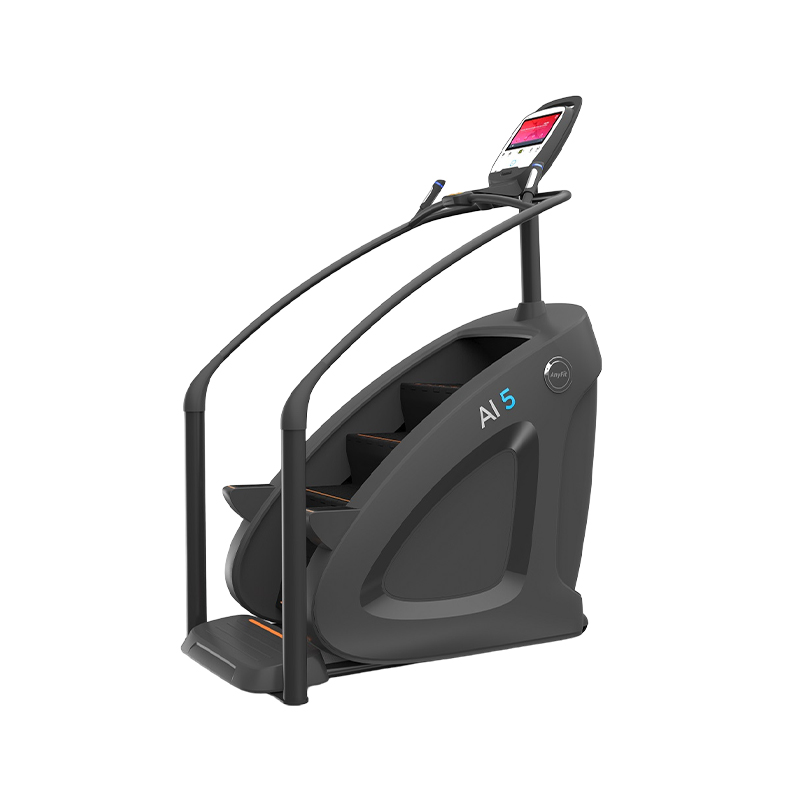
In modern commercial fitness systems, stairtrainers, as frequently used aerobic equipment, are widely used in gyms, hotel fitness areas, and professional training centers. Due to the high intensity and continuity of their stair-climbing motion simulation, the equipment needs to withstand long-term loads, frequent starts and stops, and alternating use by users of different weights.
1. High-Strength Structural Design Ensures Basic Stability
During operation, the core structure of the stairtrainer needs to continuously withstand the user's weight and dynamic impact forces. Therefore, the equipment typically uses a high-strength steel frame structure, and through mechanical optimization design, the force path is distributed to ensure that the overall load is evenly transferred to the base. A stable structural design effectively avoids deformation or loosening caused by localized stress concentration, thus ensuring the overall stability of the equipment during long-term operation.
2. Precision Transmission System Enhances Operational Reliability
The core movement of the stairtrainer relies on the stable operation of the transmission system. High-quality chain, gear, or belt drive structures ensure the continuity and smoothness of the pedal movement. In commercial environments, optimizing the transmission ratio and mechanical lubrication system can reduce friction loss and mechanical shock, thereby lowering the failure rate and improving equipment reliability under high loads.
3. Dynamic Balance Design Reduces Operating Vibration
During continuous stairtraining, the equipment experiences periodic load changes. Improper control can easily lead to vibration and structural swaying. Therefore, introducing a dynamic balance design concept to maintain the flywheel system and transmission components in a balanced state can effectively reduce vibration during operation. Simultaneously, adding a shock-absorbing base structure can further absorb impact energy, improving overall operational stability and safety.
4. Intelligent Control System Ensures Operational Safety
Modern commercial stairtrainers are typically equipped with intelligent control systems for real-time monitoring of operating status. For example, sensors detect speed, load, and equipment temperature. In case of abnormalities, the system can automatically reduce operating speed or perform an emergency shutdown. This intelligent protection mechanism effectively prevents safety hazards caused by overload or abnormal operation, thereby improving the overall safety level.
5. Material Durability and Maintenance System Optimization
In high-frequency operating environments, the durability of equipment components is crucial. By selecting highly wear-resistant materials and employing fatigue-resistant structural design, the service life of critical components can be extended. Simultaneously, establishing a regular maintenance and lubrication mechanism helps to promptly identify potential wear issues, preventing minor malfunctions from escalating into systemic damage, thereby ensuring the long-term stable operation of the equipment.
In summary, in high-intensity commercial fitness environments, the stairtrainer achieves mechanical stability and safety assurance during extended operation through a comprehensive approach encompassing structural reinforcement design, precision transmission systems, dynamic balance optimization, intelligent safety control, and enhanced material durability. This systematic design philosophy enables it to continuously meet the professional fitness needs of high-frequency usage scenarios.
1. High-Strength Structural Design Ensures Basic Stability
During operation, the core structure of the stairtrainer needs to continuously withstand the user's weight and dynamic impact forces. Therefore, the equipment typically uses a high-strength steel frame structure, and through mechanical optimization design, the force path is distributed to ensure that the overall load is evenly transferred to the base. A stable structural design effectively avoids deformation or loosening caused by localized stress concentration, thus ensuring the overall stability of the equipment during long-term operation.
2. Precision Transmission System Enhances Operational Reliability
The core movement of the stairtrainer relies on the stable operation of the transmission system. High-quality chain, gear, or belt drive structures ensure the continuity and smoothness of the pedal movement. In commercial environments, optimizing the transmission ratio and mechanical lubrication system can reduce friction loss and mechanical shock, thereby lowering the failure rate and improving equipment reliability under high loads.
3. Dynamic Balance Design Reduces Operating Vibration
During continuous stairtraining, the equipment experiences periodic load changes. Improper control can easily lead to vibration and structural swaying. Therefore, introducing a dynamic balance design concept to maintain the flywheel system and transmission components in a balanced state can effectively reduce vibration during operation. Simultaneously, adding a shock-absorbing base structure can further absorb impact energy, improving overall operational stability and safety.
4. Intelligent Control System Ensures Operational Safety
Modern commercial stairtrainers are typically equipped with intelligent control systems for real-time monitoring of operating status. For example, sensors detect speed, load, and equipment temperature. In case of abnormalities, the system can automatically reduce operating speed or perform an emergency shutdown. This intelligent protection mechanism effectively prevents safety hazards caused by overload or abnormal operation, thereby improving the overall safety level.
5. Material Durability and Maintenance System Optimization
In high-frequency operating environments, the durability of equipment components is crucial. By selecting highly wear-resistant materials and employing fatigue-resistant structural design, the service life of critical components can be extended. Simultaneously, establishing a regular maintenance and lubrication mechanism helps to promptly identify potential wear issues, preventing minor malfunctions from escalating into systemic damage, thereby ensuring the long-term stable operation of the equipment.
In summary, in high-intensity commercial fitness environments, the stairtrainer achieves mechanical stability and safety assurance during extended operation through a comprehensive approach encompassing structural reinforcement design, precision transmission systems, dynamic balance optimization, intelligent safety control, and enhanced material durability. This systematic design philosophy enables it to continuously meet the professional fitness needs of high-frequency usage scenarios.