

How does a treadmill help improve cardiovascular health and endurance?
Release Time : 2026-05-14
Cardiovascular endurance is widely recognized as one of the most vital indicators of overall physical fitness and long-term health. It refers to the remarkable ability of the heart, lungs, and circulatory system to deliver oxygen and nutrients to working muscles efficiently during sustained physical activity. Among the various tools available for fitness enthusiasts, the treadmill stands out as a premier piece of equipment for systematically building this endurance. Through consistent and structured treadmill workouts, individuals can trigger profound physiological adaptations that strengthen the heart muscle, optimize lung function, and enhance the body's overall metabolic efficiency.
The primary way a treadmill improves cardiovascular health is by acting as a powerful stimulus for the heart muscle itself. The heart is essentially a pump, and like any other muscle in the body, it grows stronger and more efficient when challenged regularly. Engaging in steady-state running or brisk walking on a treadmill forces the heart to pump blood at an elevated rate. Over time, this consistent demand leads to a phenomenon known as cardiac remodeling. The left ventricle of the heart expands slightly in volume and the muscular walls thicken, allowing the heart to pump a greater volume of blood with each beat. This increased efficiency means that a well-conditioned heart does not have to work as hard during rest, often resulting in a lower resting heart rate, which is a classic marker of excellent cardiovascular fitness.
Beyond strengthening the heart muscle, treadmill training plays a critical role in improving the body's oxygen transport and utilization systems. One of the gold standards for measuring cardiovascular endurance is VO2 max, which represents the maximum amount of oxygen the body can utilize during intense exercise. Regular treadmill sessions, particularly those that incorporate interval training or progressive incline challenges, push the body to operate at higher intensities. This pushes the cardiovascular system to adapt by increasing the density of capillaries—the tiny blood vessels that deliver oxygen to muscles. With a denser capillary network, oxygen is delivered more rapidly to the working tissues, and metabolic waste products like lactic acid are cleared away more efficiently. This biological upgrade allows an individual to run faster and longer before experiencing fatigue.
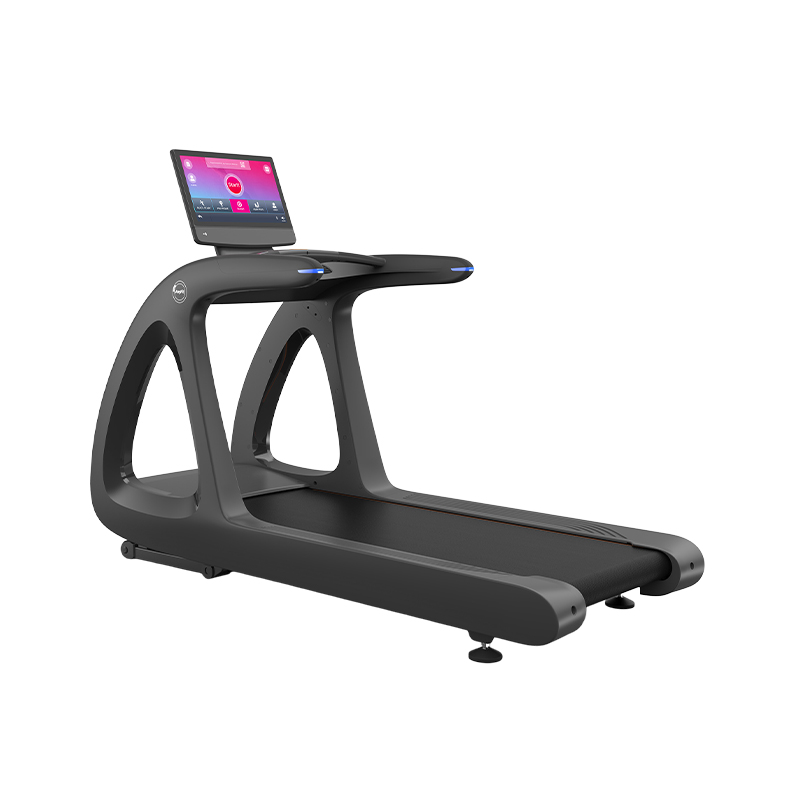
The controlled environment of a treadmill also offers a unique advantage for safely building endurance through precise intensity management. Unlike outdoor running, where terrain and weather can be unpredictable, a treadmill allows users to strictly control speed and incline. This precision is essential for training within specific heart rate zones. By maintaining a steady pace that keeps the heart rate in a target aerobic zone, runners can build a massive aerobic base without overstressing the body. Furthermore, introducing incline settings simulates uphill running, which significantly increases the cardiovascular demand without requiring higher impact speeds. This ability to progressively overload the cardiovascular system in a safe, controlled manner ensures consistent gains in stamina while minimizing the risk of injury or burnout.
In addition to the structural changes in the heart and lungs, treadmill exercise induces beneficial changes at the cellular level. Regular aerobic activity stimulates the production of mitochondria, which are often referred to as the powerhouses of the cell. An increase in mitochondrial density within muscle cells means the body becomes far more efficient at converting fuel, whether from fats or carbohydrates, into usable energy. This metabolic flexibility is a cornerstone of endurance, allowing athletes to sustain prolonged physical efforts with greater ease.
In conclusion, the treadmill is far more than a simple machine for walking or running in place. It serves as a comprehensive tool for cardiovascular transformation. By systematically strengthening the heart muscle, enhancing oxygen delivery through capillary growth, and boosting cellular energy production, treadmill training lays the foundation for a robust and resilient cardiovascular system. Whether the goal is to complete a marathon or simply to maintain a healthy heart, the treadmill provides the consistent, measurable stimulus needed to achieve lasting endurance and vitality.
The primary way a treadmill improves cardiovascular health is by acting as a powerful stimulus for the heart muscle itself. The heart is essentially a pump, and like any other muscle in the body, it grows stronger and more efficient when challenged regularly. Engaging in steady-state running or brisk walking on a treadmill forces the heart to pump blood at an elevated rate. Over time, this consistent demand leads to a phenomenon known as cardiac remodeling. The left ventricle of the heart expands slightly in volume and the muscular walls thicken, allowing the heart to pump a greater volume of blood with each beat. This increased efficiency means that a well-conditioned heart does not have to work as hard during rest, often resulting in a lower resting heart rate, which is a classic marker of excellent cardiovascular fitness.
Beyond strengthening the heart muscle, treadmill training plays a critical role in improving the body's oxygen transport and utilization systems. One of the gold standards for measuring cardiovascular endurance is VO2 max, which represents the maximum amount of oxygen the body can utilize during intense exercise. Regular treadmill sessions, particularly those that incorporate interval training or progressive incline challenges, push the body to operate at higher intensities. This pushes the cardiovascular system to adapt by increasing the density of capillaries—the tiny blood vessels that deliver oxygen to muscles. With a denser capillary network, oxygen is delivered more rapidly to the working tissues, and metabolic waste products like lactic acid are cleared away more efficiently. This biological upgrade allows an individual to run faster and longer before experiencing fatigue.
The controlled environment of a treadmill also offers a unique advantage for safely building endurance through precise intensity management. Unlike outdoor running, where terrain and weather can be unpredictable, a treadmill allows users to strictly control speed and incline. This precision is essential for training within specific heart rate zones. By maintaining a steady pace that keeps the heart rate in a target aerobic zone, runners can build a massive aerobic base without overstressing the body. Furthermore, introducing incline settings simulates uphill running, which significantly increases the cardiovascular demand without requiring higher impact speeds. This ability to progressively overload the cardiovascular system in a safe, controlled manner ensures consistent gains in stamina while minimizing the risk of injury or burnout.
In addition to the structural changes in the heart and lungs, treadmill exercise induces beneficial changes at the cellular level. Regular aerobic activity stimulates the production of mitochondria, which are often referred to as the powerhouses of the cell. An increase in mitochondrial density within muscle cells means the body becomes far more efficient at converting fuel, whether from fats or carbohydrates, into usable energy. This metabolic flexibility is a cornerstone of endurance, allowing athletes to sustain prolonged physical efforts with greater ease.
In conclusion, the treadmill is far more than a simple machine for walking or running in place. It serves as a comprehensive tool for cardiovascular transformation. By systematically strengthening the heart muscle, enhancing oxygen delivery through capillary growth, and boosting cellular energy production, treadmill training lays the foundation for a robust and resilient cardiovascular system. Whether the goal is to complete a marathon or simply to maintain a healthy heart, the treadmill provides the consistent, measurable stimulus needed to achieve lasting endurance and vitality.